

Goose Eye No. 1 (2021)
Daniel E. Heywood
His Journey from Hunter-Trapper to Writer-Conservationist
William B. Krohn
On October 2, 2014, Dr. William B. Krohn, retired wildlife scientist and Professor Emeritus at the University of Maine at Orono, presented the Hall Memorial Lecture at the Museums of the Bethel Historical Society. The subject of his lecture was the life of Daniel E. Heywood, emphasizing Heywood’s effects on the emergence of a wildlife conservation ethic in western Maine. The following article is based on that lecture.
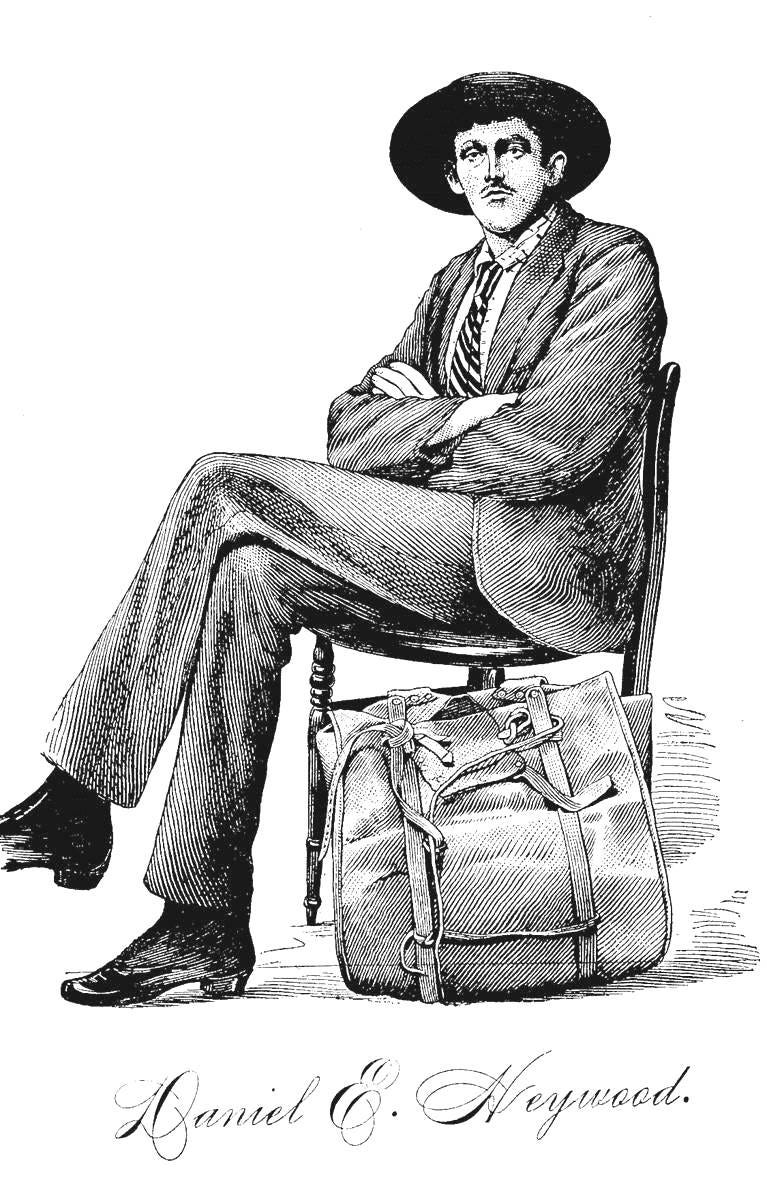
Most studies of the history of wildlife conservation in North America emphasize the critical role of leaders such as John Burroughs, George B. Grinnell, Henry W. Herbert (a.k.a. Frank Forester), William T. Hornaday, Theodore Roosevelt, and other well-educated and generally well-heeled members of the upper class. Examples of such studies include James B. Trefethen’s Crusade for Wildlife (1961) and Peter Wild’s Pioneer Conservationists of Eastern North American (1985). Even John F. Reiger’s book, American Sportsmen and the Origins of Conservation (1975), touting the importance of anglers and hunters to conservation, emphasized the role of elite sportsmen including Burroughs, Grinnell, Herbert, and Roosevelt. Not until Richard W. Judd’s Common Land, Common People: The Origins of Conservation in Northern New England (1997), did the significance of support for conservation from the common person receive the serious scholarly attention that this perspective deserves.
So, who were these early supporters of wildlife conservation at a time when living-off-the land was the norm for most rural citizens? How did these individuals become convinced of the need for wildlife conservation? And how did they try to influence others? By examining the life of Daniel E. Heywood, a common man who lived most of his life in the Umbagog Lake region on the New Hampshire-Maine border, these questions can be answered.1
Daniel Ellsworth Heywood, born on May 3, 1869, was the sixth of seven children born to Charles L. Heywood (1828-1906) and Mary Ellen Stone Heywood (1831-1887). When Charles and Mary Ellen were first married in February of 1855, they lived on the Heywoods’ farm in Massachusetts. After a few years, however, they moved to the Stone Farm on the western shore of Umbagog Lake in New Hampshire. Mary Ellen’s father, Joseph Stone, first cleared land for the farm around 1835. In 1838, while skating from Upton back to his farm, he fell though the ice and drowned. Joseph had left his wife (Mary Ellen’s mother), Harmon, with nine children to raise by herself in the wilds of northern New Hampshire. In 1859, Charles and Mary Ellen Heywood bought half interest in the Stone Farm, and later added adjoining land to what then became the Stone-Heywood Farm.
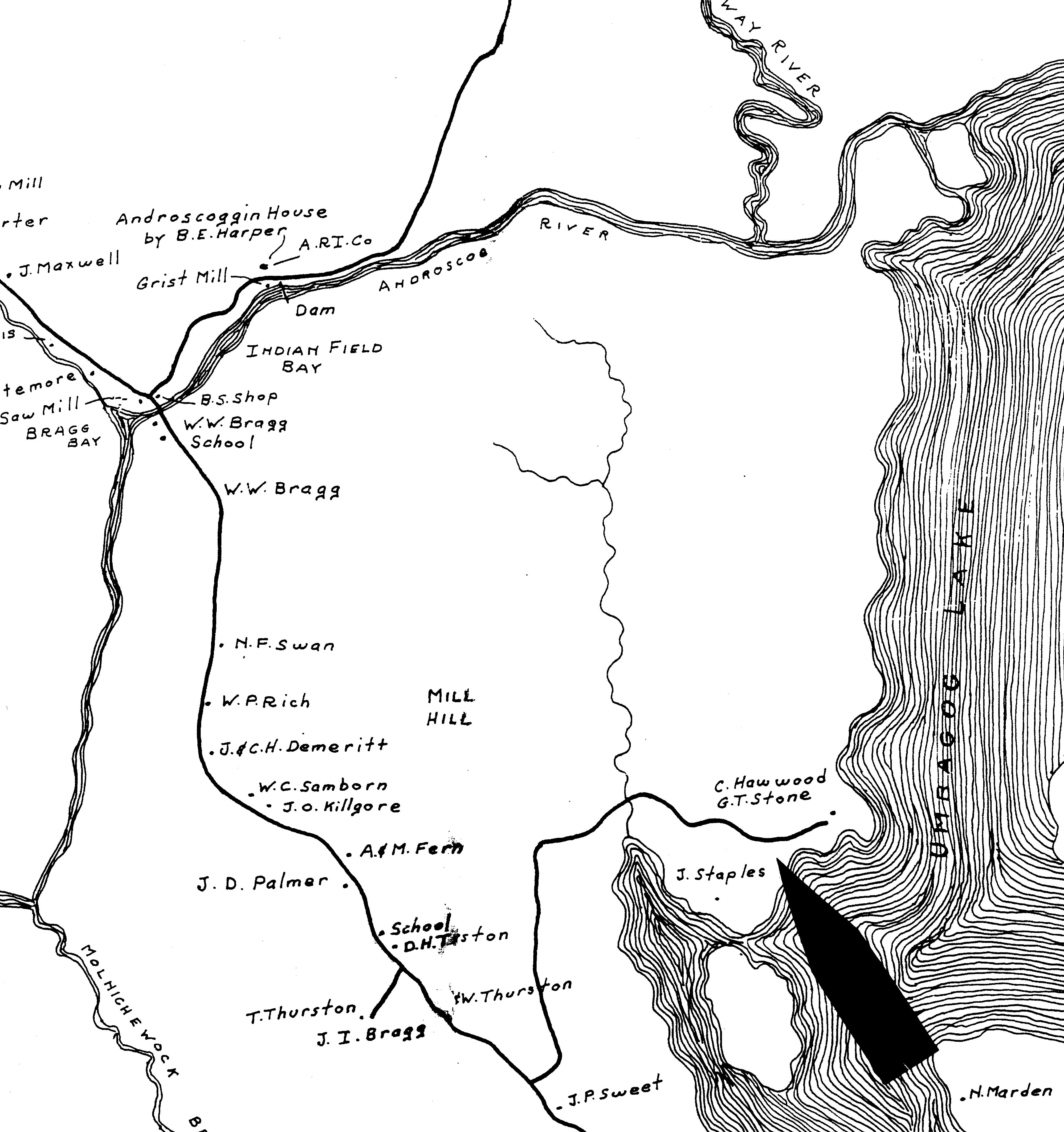
The Stone-Heywood Farm was many miles from town and like other farms of this time, had to be essentially self-sufficient. When Daniel Heywood was reflecting back to his youth in an article published in Shooting and Fishing on June 18, 1896, he noted:
Pot hunting was always a regular business among the old settlers, and I myself became quite a dangerous gunner and fisherman. My uncles [the Stone brothers] and brothers [George, Levi, and Charles] have taken tons and tons of trout from these waters and sent them to the Boston markets. We also sent ducks, partridges, snipe, woodcock, and other game bird which could be taken, and I was 15 years [1884] of age before I knew there was any law against this sort of thing.
In an article published on January 2, 1903, in the Phillips, Maine, newspaper Maine Woods, Heywood reinforced the idea that game meat was critical to the family’s survival, stating that “Hunting and fishing became the principal means of living. Clothing was made from homespun wool and flax, and corn and potatoes were cultivated. Moose were plenty, also wild geese, ducks, partridge and bears.”
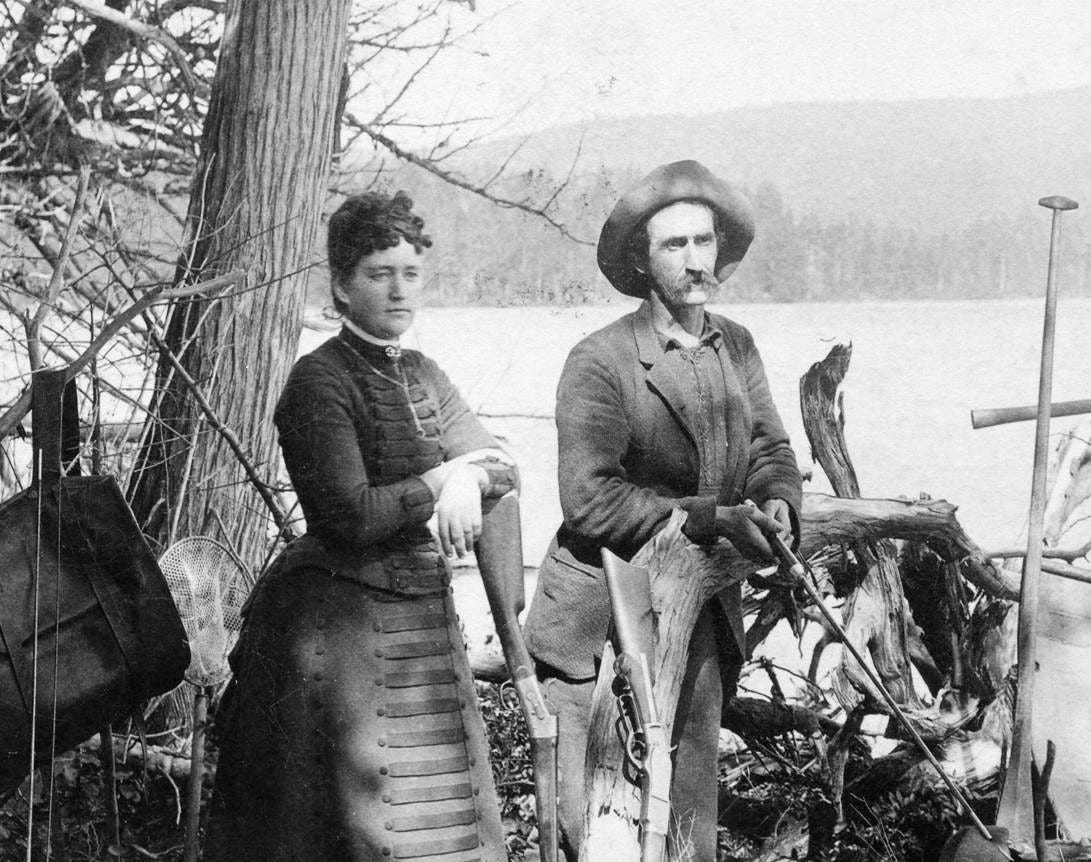
Heywood, when a boy, not only hunted for the Boston market and his family’s table, he also hunted for science. William Brewster, the Harvard ornithologist and author of The Birds of the Lake Umbagog Region of Maine (1924), noted that some of the rarest birds occurring on Lake Umbagog were shot by the young Heywood. Specifically, Brewster credits Heywood with providing him specimens of the Ruddy Duck (a bird of the West), the Long-tailed Duck (an arctic bird that winters off of the Maine coast), and other uncommon to rare species. But not all of Heywood’s youth was spent hunting. He was taught reading, writing, and arithmetic from a female teacher who travelled from homestead to homestead, staying only a few days with each of the isolated families. Daniel disliked farm-work and instead of working in the family’s barn, indulged himself in bird watching: “Our barn … afforded excellent places for eave [barn] shallows to build their nests. Every year hundreds of the birds flew about the buildings and over the water. Under the eaves on the south side of the barn was always found swallows’ nests, sometimes five or six in a mass. It was very interesting to watch them as they built with mud, day after day.”2 The young Heywood was learning to observe wildlife, and thus was quickly becoming a naturalist.
Around 1885, when Heywood was approximately 16 years old, his father left the family, first moving to Colorado and later to Utah where he lived with Levi Heywood, one of Daniel’s older brothers. Levi, like others from western Maine during this time, had become a Mormon and moved West. Heywood’s mother struggled to hold the family together, and in 1887 she died. In the same year, Heywood left the farm and went to work as a guide for John S. Danforth.
John Danforth owned and operated Camp Caribou, located at Parmachenee Lake in Maine, approximately 20 miles north of Umbagog Lake. Camp Caribou included a set of small, outlying cabins that Danforth used toate his guests through. In summer, anglers, accompanied by a guide, would spend a few days fishing at one remote camp before moving on to the next. By rotating clients through a set of camps, sports were not “stacked-up” on Treat’s Island. In the fall and early winter, Camp Caribou and the remote camps primarily served deer hunters.3
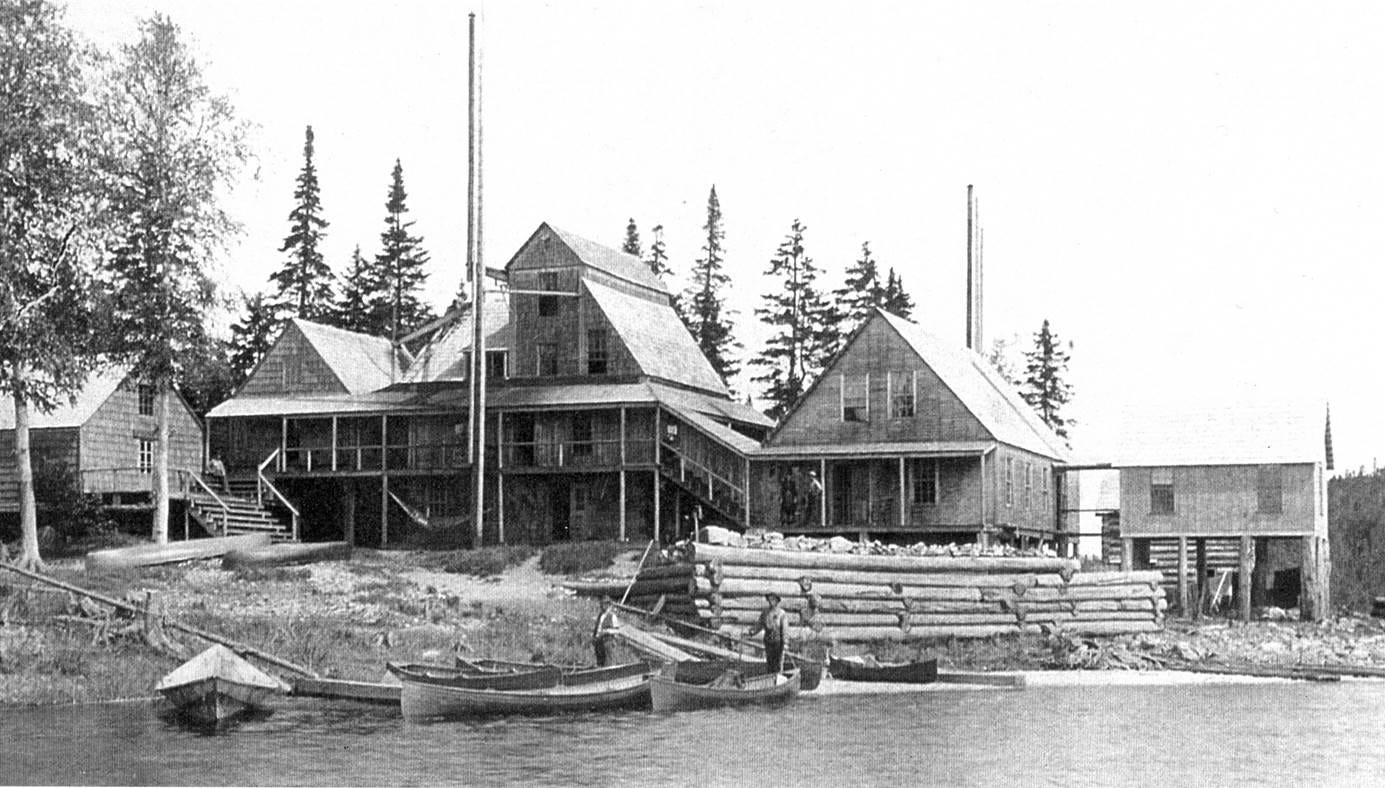
Once the sportsmen departed, Heywood and Danforth’s other guides would have the woods largely to themselves. During this period, Heywood would hunt for hides and meat, trap for furs, and pick spruce gum. Heywood worked for Danforth for around 5 years, and toward the end of this period wrote Diary of Daniel E. Heywood, A Parmachenee Guide. This 101-page booklet, published in 1891, documents day-to-day life at Camp Caribou and vicinity, covering the fall and early winter of 1890. Heywood and Danforth were close given that Danforth apparently financed the Parmachenee Diary printing; also, the two are commonly seen together in Starbird photographs.
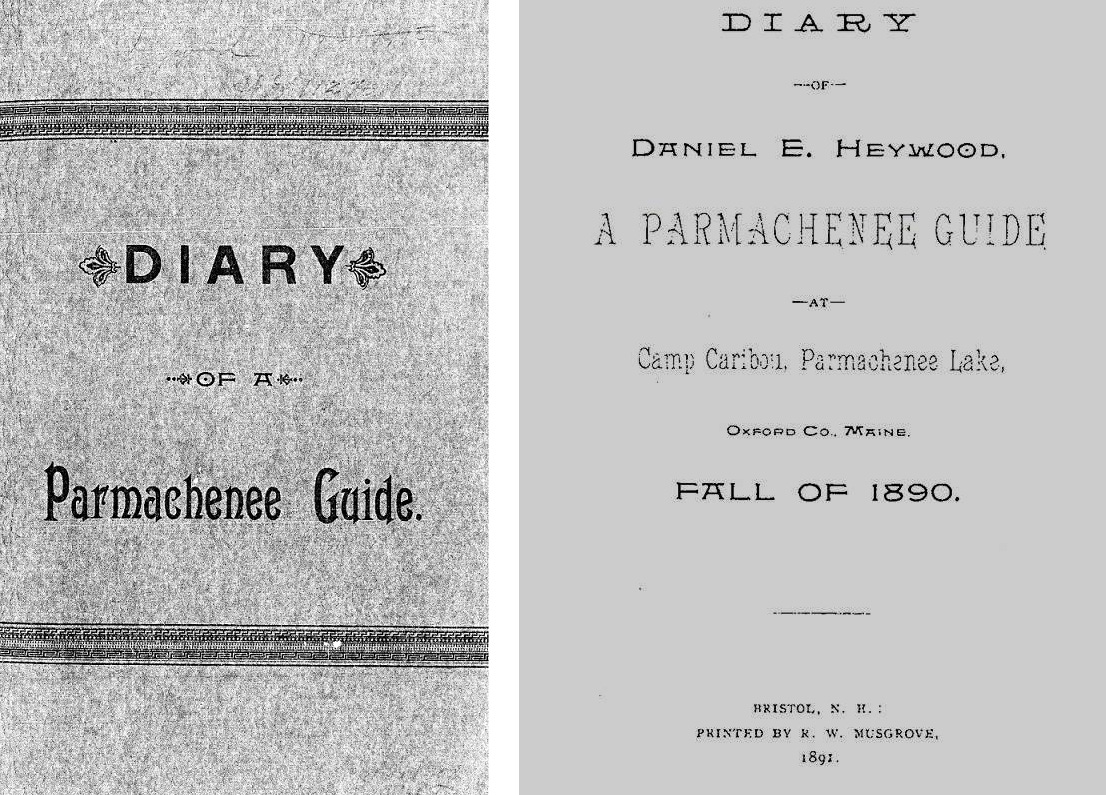
The Parmachenee Diary is not only a day-by-day account of the weather and Heywood’s activities, but it also captures the author’s inner thoughts, providing insights into his strong relationship with his brother George, and some of the “sports” he guided. While at the Lower Black Pond Camp on Christmas day of 1890, Heywood observed in his Parmachenee Diary:
Cold and sharp this morning. We overhauled our stockings the first thing after camp was warmed. They contained chiefly kindling-wood and birch bark, but I had two cigars and a watch and five dollar bill. Alec and Olson [guides] had each a five dollar bill, cigars, some candy. Each article was thoroughly discussed and its merits all settled and declared to be “just what I wanted” before another was removed. Danforth had an imitation clock filled with candy and a bottle of “Hood's Sarsaparilla.” The sportsmen each had a mink skin, well tanned, besides Mr. Wells [client] had a case of eighteen lead pencils and a fish hook large enough to catch a codfish on. A weasel skin appeared in Frank Billings’ [client] stocking and a fine cigar cutter.4
Clearly, it was the thought of the present that counted, and the monetary differences between the gifts given by the guides versus the clients did not get in the way of a Merry Christmas being had by all, despite being packed into the little cabin on the shores of Lower Black Pond in the wilds of western Maine.5
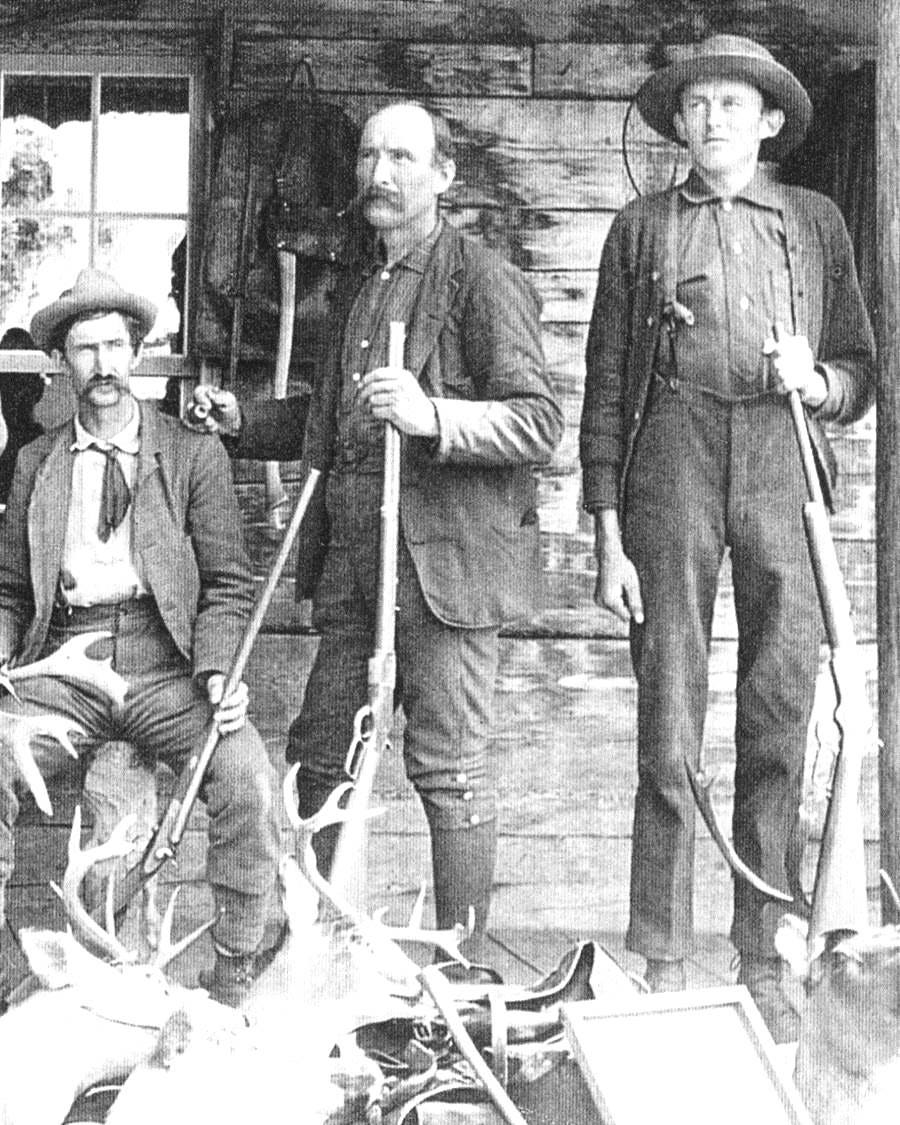
It was while working as a guide that Heywood became convinced of the general need for wildlife conservation with a special role for guides. As he argued on March 24, 1904 in Shooting and Fishing:
As has been frequently stated, the fate of Maine’s game is wholly in the hands of the guides. The state may pass laws, impose heavy penalties for their violation, and double and treble the warden service, but unless the guides can be taught to intelligently consider the conditions of the game, and to cooperate with the commissioners in the interest of the sporting business, the whole structure of the game laws becomes but a farce.
The year after the Parmachenee Diary was published, Heywood travelled west to visit his oldest brother George H. Heywood (1855-1927). In the frontier town of Red Lodge, located in the south-central part of the state, George owned and operated the Red Straw Salon, a loan business, and traded in furs. In his Parmachenee Diary, Heywood fondly recounted boyhood days he and George had spent together in the outdoors. Apparently wanting to re-live those happy times together, Daniel and George headed for the forests and mountains along the Stinking (a.k.a. Shoshone) River Valley of western Wyoming (now part of the Shoshone National Forest). There they would fish, hunt, and trap. In 1893, on his way back to Maine after this expedition, Daniel briefly visited his father and brother Levi in Utah, and the World’s Fair in Chicago.
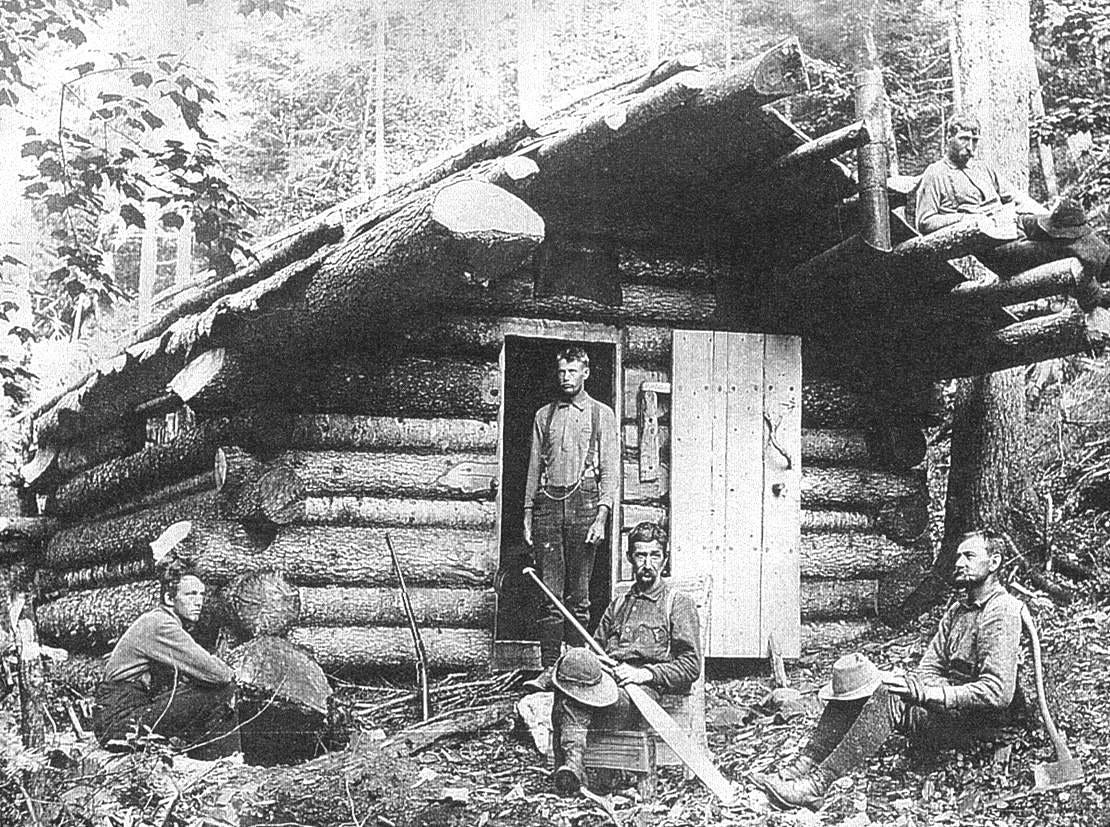
Once back in Maine, Heywood transformed his raw diary entries from his western trip into a 9-part series that was published in Shooting and Fishing. The series focused on his adventures in Wyoming and appeared in print between November 1893 and April 1894. Like the Parmachenee Diary, this diary documented daily life, weather, and brief passages chronicling Heywood’s philosophy. The Wyoming diary also documented the furs and game taken by the two brothers, including black and grizzly bears, elk and mule deer, marten and wolverine, beavers and badgers, and bobcats and lynx.
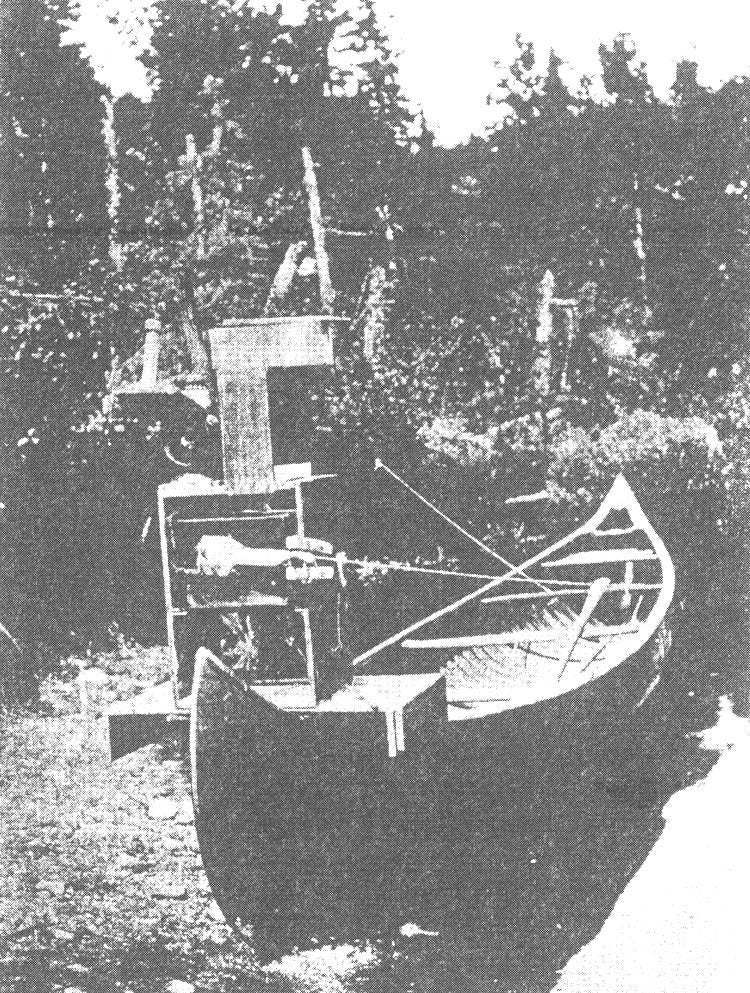
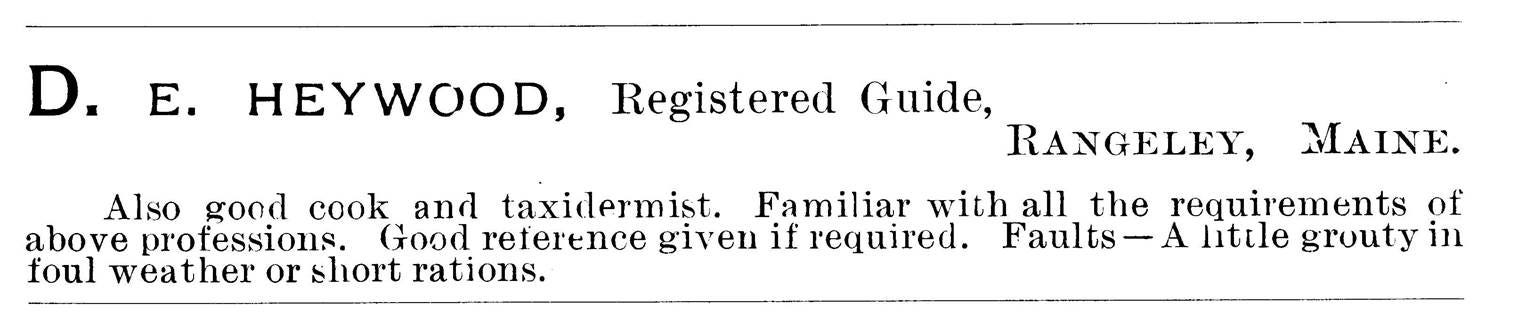
With two lengthy works, both diaries, now published, Heywood wrote more and his name appeared regularly in newspapers and sporting journals. Most of Heywood’s printed works, which probably total over 200, were printed in the Phillips Phonograph and its successor, Maine Woods; and in two national outdoor sporting journals, Shooting and Fishing and Forest and Stream. Heywood published on an array of outdoor topics including “how to” articles about trapping fur-bearers, observing wildlife, and wildlife photography. He also discussed historical changes in wildlife populations and regularly wrote about the sporting clubs of western Maine, such as the Parmachenee Club and the Rangeley Guides Association.6 His writings about wildlife conservation were extensive and included such topics as: “Protection of Fur Bearing Animals” (Heywood supported state regulations to control the harvest of fur-bearers), “The License and Other Laws” (he supported state hunting licenses), and “The Beaver War” (he supported state regulations on beaver trapping).
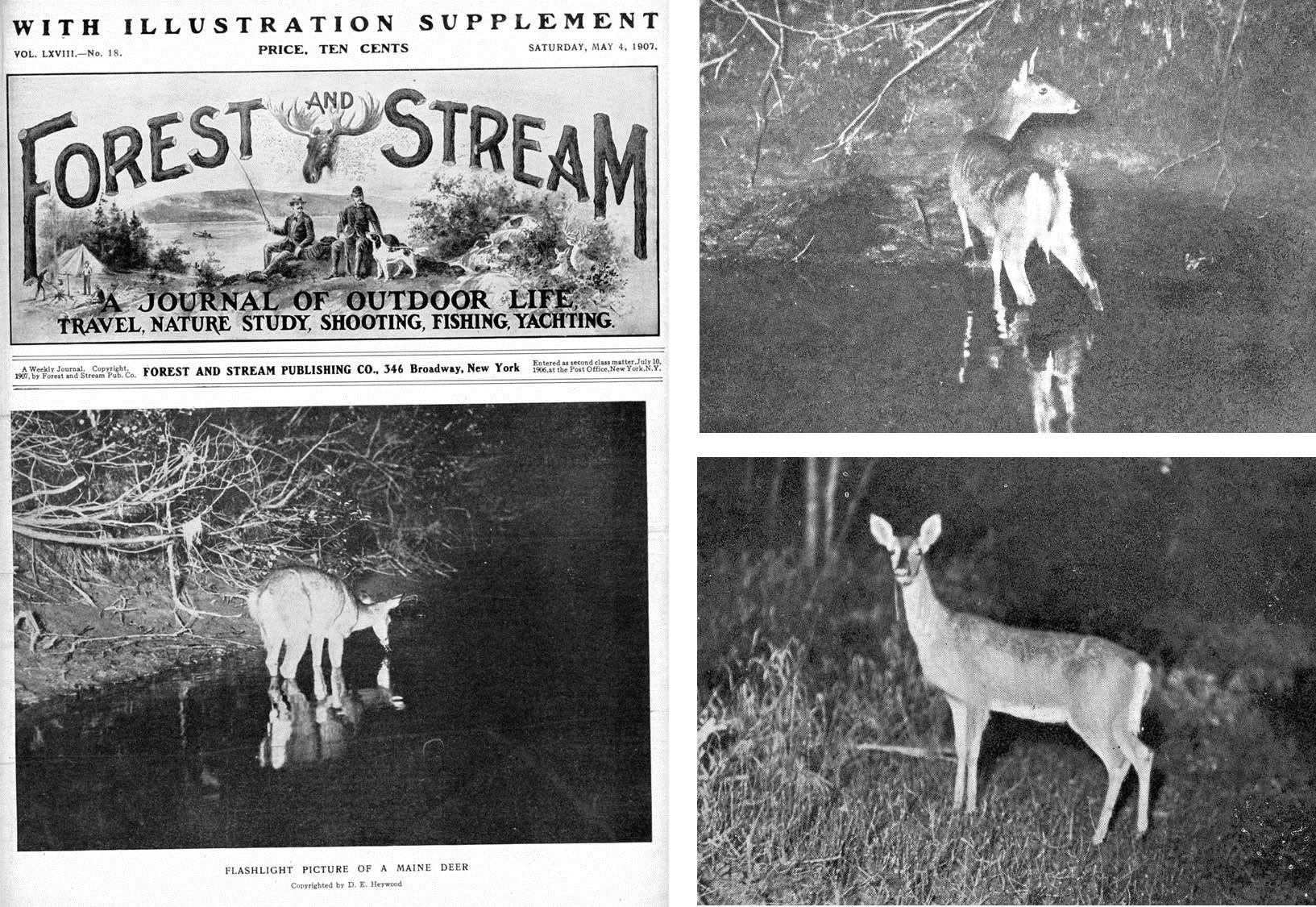
On June 20, 1895, Heywood married Gladys Foster of Newry, Maine. No details of this marriage have survived, but apparently Heywood was unable to adjust his independent lifestyle to domestic life; the couple soon separated, leaving no children. Around 1896, Heywood moved to the town of Rangeley where he built a house. Here he did taxidermy work in the winter, and guided anglers during the spring and summer. In the early 1900s, Heywood also took up photography, specializing in nighttime photography of deer and moose.
Heywood’s wildlife photographs appeared on magazine covers and as post cards. In addition to wildlife, Heywood also made post cards from scenes he photographed around Haines Landing where, in the summer, he operated a small photography and taxidermy studio. While we do not know with certainty where he learned photography, Heywood had earlier been around two accomplished photographers, E. R. Starbird and one of Camp Caribou’s regular clients, Henry P. Wells. Wells maintained a darkroom at Camp Caribous’ main lodge for processing glass negatives, so Heywood had ample opportunity to learn the full range of skills needed to expose and develop glass plates.
In 1903, Heywood’s health started to fail. Seeking relief, he travelled to Florida to winter, returning to Maine in spring and summer. Even when in Florida, he could not lay down his pen and took time to write long letters that were published in the Maine Woods. These lengthy letters described the climate, and what he did and saw. Always the naturalist, his wildlife observations were a key part of this correspondence. In 1911, Charles Gibbs (his sister Mary Ellen’s son) boarded a train to Florida to help his uncle return home for the summer. On July 4, Daniel E. Heywood died of tuberculosis at the age of 42. He is buried with his brother, George, and his sister, Mary Ellen, in the Evergreen Cemetery, Rangeley, Maine. Heywood’s obituary, published on August 10, 1911 in the Maine Woods, noted that his “life was not all sunshine and roses, but more headaches and disappointments than comes to most of us.” This was not, however, how Heywood viewed his life. Writing in Shooting and Fishing on March 22, 1894, Heywood observed:
It was my fortune, or misfortune, as the reader may choose to call it, to be born a hermit by nature, and whenever I find myself lodge in a warm little camp, all alone, with plenty of provisions, and good health, I think my cup of happiness is filled to the brim.
Today, most people take for granted the need to protect wildlife populations with such restrictions as limiting the time of year animals can be hunted (e.g., no harvest during the breeding season), or the type and number of animals allowed to be harvested (e.g., one male deer harvested per person per year). This was not always the case, and not until after the Civil War did the need for laws to protect fish and wildlife become regularly debated in New England newspapers and sporting journals. By 1885, the State of Maine had enacted a fairly comprehensive set of game laws. Initially, these laws were widely ignored and in some circles, they were even met with outright hostility as more than one warden was shot while trying to enforce the Maine’s early game laws. But not all Mainers objected to these new laws, and fortunately for today’s citizens who enjoy wildlife, Maine was favored with citizens from all levels of society who openly, strongly, and effectively advocated for wildlife conservation.
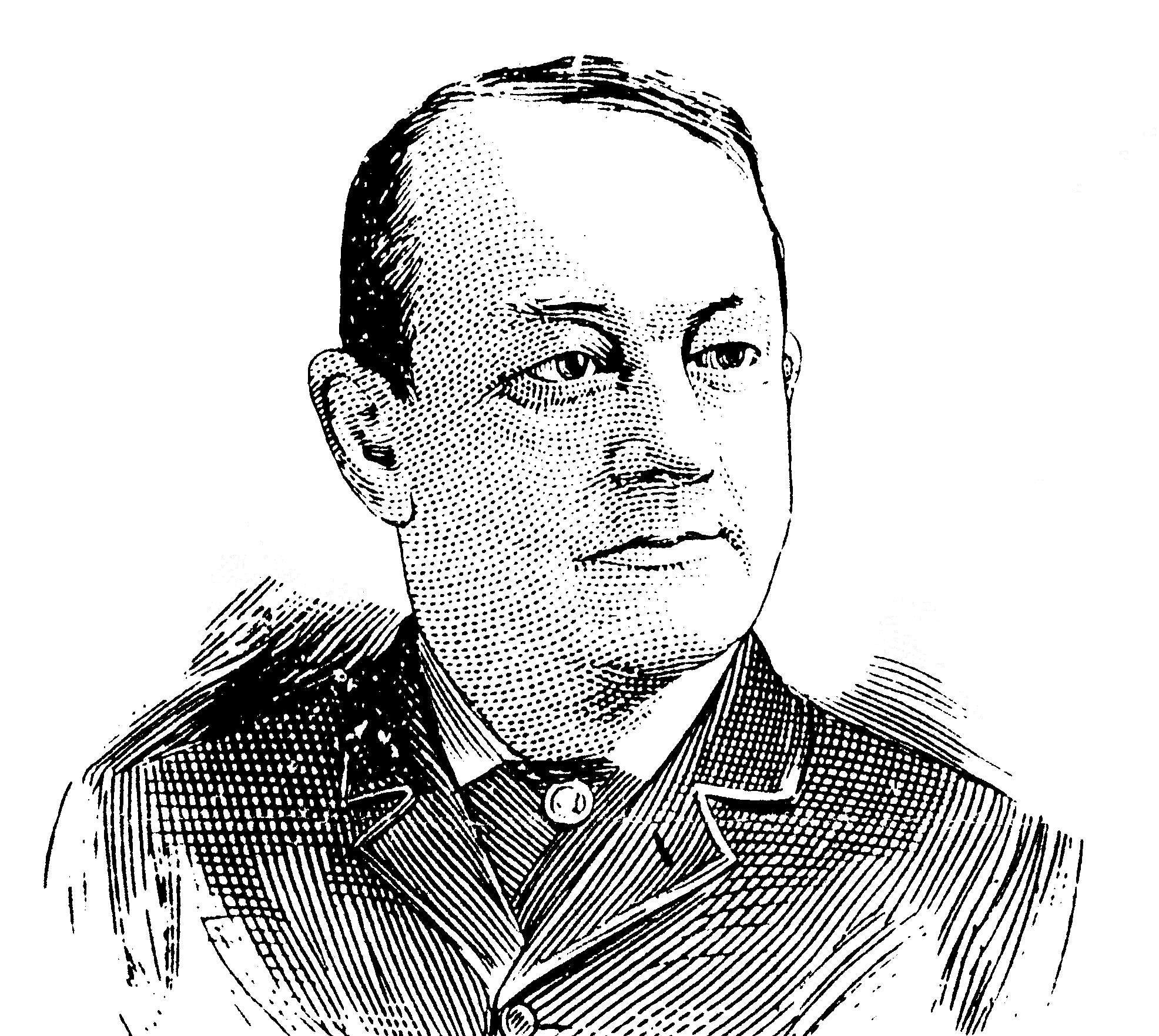
So why is the support of all levels of society critical to conservation? In a democracy laws do not become the norms of behavior until, and unless, there is widespread public support. In an article published in Forest and Stream magazine in 1891, only six years after Maine’s game laws were passed, Fannie Hardy Eckstorm noted that Maine’s new game laws were widely disregarded by the rural residents of eastern and northern Maine. But in western Maine, she reported that “I judge a much better state of feeling [for the game laws] prevails there.” While western Maine clearly had developed an infrastructure, including railways and resorts, to support outdoor tourism, it was common people like Heywood who understood that tourists—be they from down-state or out-of-state—would not return without fish and wildlife resources to hold their attention. Heywood understood that wildlife conservation required government regulations and public restraint. But instead of seeing only limitations of opportunity in state regulations, he saw that by limiting harvests there could be abundant enough wildlife to observe, to photograph, to write about, as well as enough animals to harvest for taxidermy mounts. In short, Heywood knew that by supporting conservation there could be an economy where outdoor recreation was a positive force in the lives of western Maine people.
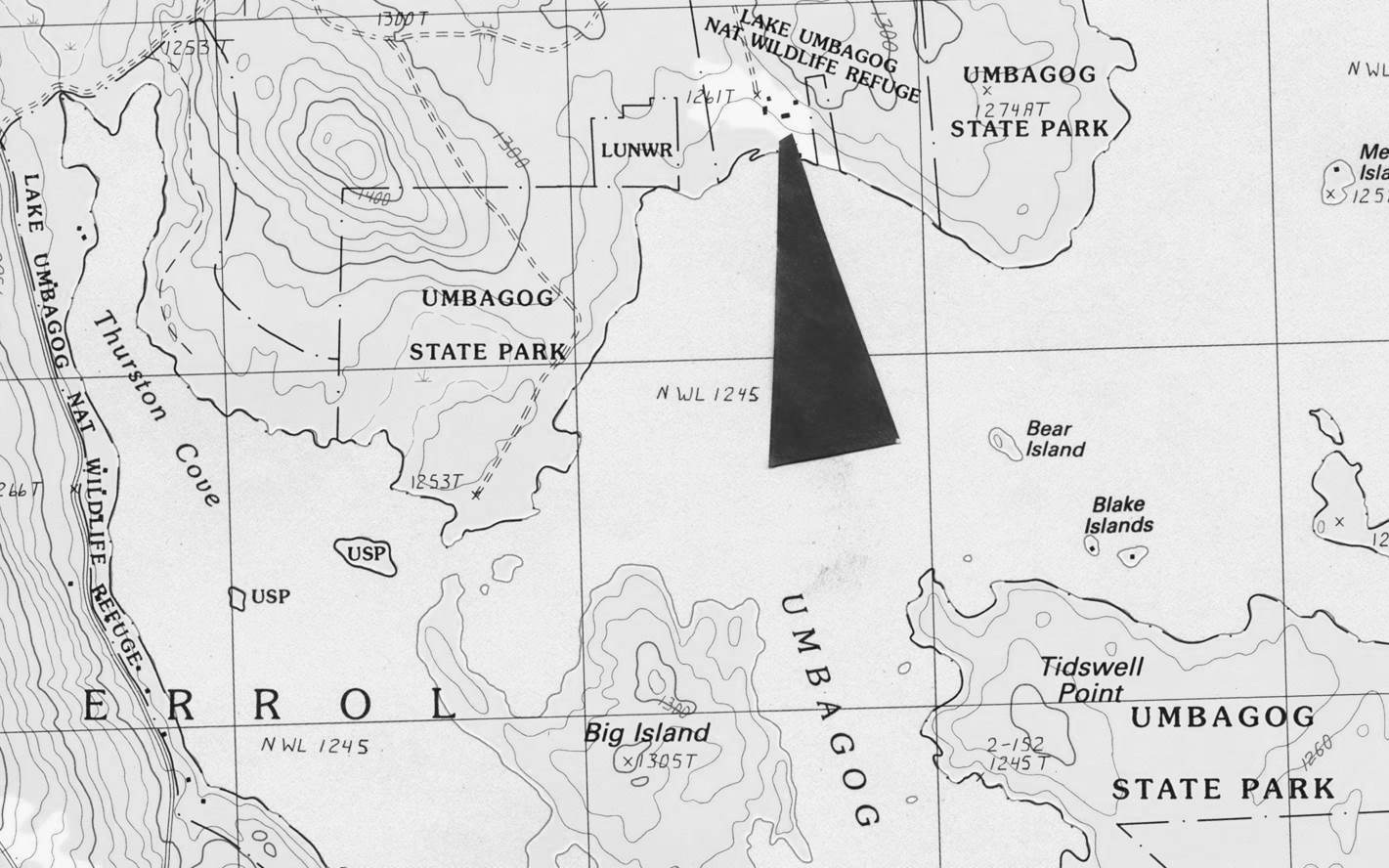
Today, the land that was once the Stone-Heywood Farm is part of the Lake Umbagog National Wildlife Refuge, and as such is owned by the American public. It is this author’s hope that as the U.S. Fish and Wildlife develops the site of the former Stone-Heywood home, that they use Dan Heywood’s life, photographs, and writings to remind us that we all have a role to play in the conservative of wildlife and other natural resources.7
This article would not have been possible if it were not for the expertise and assistance of others. I would like to give special recognition to Robert W. Cook for sharing his extensive knowledge about John S. Danforth, Camp Caribou, and the Parmachenee Region. My thanks to Graydon R. Hilyard, a student of the Rangeley Lakes Region, who provided a number of articles about Heywood and western Maine. Gary Priest readily gave his knowledge of western Maine in general, and the town of Rangeley in particular. The Carbon County Historical Society provided information about three the Heywoods who once lived in Red Lodge, Montana. Help in locating early newspaper articles was provided by the Raymond H. Fogler Library, University of Maine. Finally, I wish to acknowledge the support of my lifetime partner, Ellen Conant Krohn.
Shooting and Fishing, May 19, 1904.
For a map showing the geographic area covered by these camps see Robert W. Cook, Chasing Danforth: A Wilderness Calling (Twin Mountain, N.H.: Great Stone Face Publishing, 2005), 29. Cook’s thoroughly researched, well-documented, and illustrated book contains useful information about John S. Danforth, Camp Caribou, Henry P. Wells, Edwin R. Starbird, and the early days of the Parmachenee Club.
Daniel E. Heywood, Diary of Daniel E. Haywood, A Parmachenee Guide at Camp Caribou, Parmachenee Lake (Bristol, N.H.: R. W. Musgrove, 1891), 80-81.
For the location see Cook, Chasing Danforth, 29.
Heywood became the Secretary-Treasurer of the latter organization, which still exists.
In addition to the other sources cited within this article, the reader’s attention is called to Charles E. Heywood, History of Upton, Maine (Norway: Oxford Hills Press, 1973). Charles Errol Heywood was Daniel’s nephew, and the first President of the Bethel Historical Society. Information about Daniel and other Heywoods is peppered throughout this intimate town history. It is a “must read” for anyone interest in the life of Daniel E. Heywood, the Stone family, and the history of the Stone-Heywood Farm.