


On Thursday, June 19 (Juneteenth), Mary T. Freeman, Assistant Professor of New England History at the University of Maine, will speak on the theme of “Abolition and the Underground Railroad in Maine.” The talk will begin at 6:00 p.m., and will take place in the Howe Exhibit Hall (red barn) at the Dr. Moses and Agnes Straw Mason House (14 Broad Street).
Mary T. Freeman is assistant professor of history at the University of Maine. Her field is the nineteenth-century United States, with a focus on the history of slavery and abolition. Her work also explores abolitionism, African American history, and women’s history in Maine and New England. She received her PhD from Columbia University in 2018. Her forthcoming book, Abolitionists and the Politics of Correspondence, will be published by University of Pennsylvania Press in February 2026.
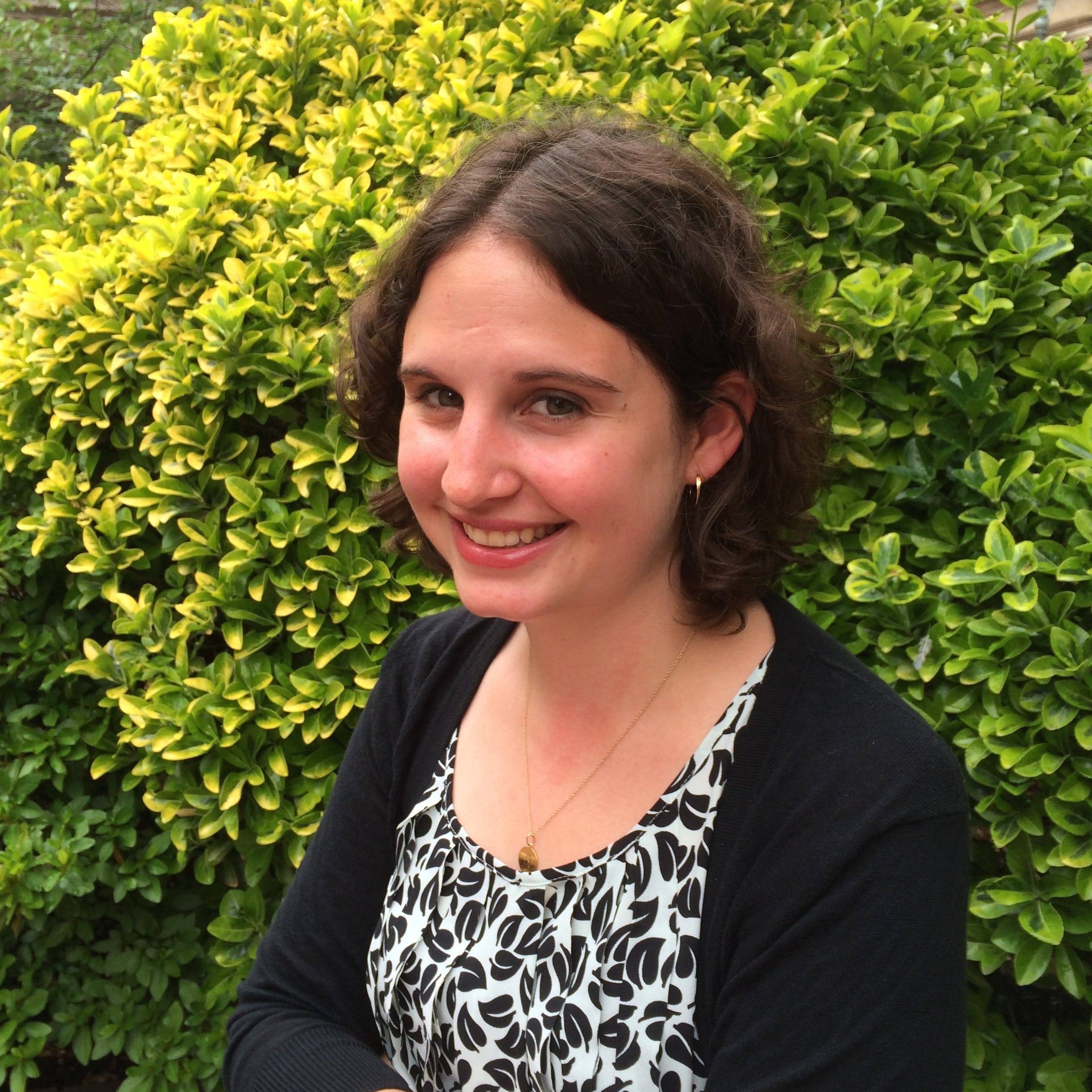
This presentation will briefly explore the long history of slavery and emancipation in Maine before focusing on antislavery activism in the decades leading up to the Civil War. Professor Freeman will pay particular attention to the role of African Americans in advancing the cause of abolition in Maine and the complicated relationship between myth and historical fact in understanding Mainers’ involvement in the Underground Railroad.
Dr. Freeman has deep roots in the town of Bethel, where her paternal grandmother, and namesake, Mary Tibbetts Freeman was born in 1916. She is the great-granddaughter of Dr. Raymond R. and Pearl Ashby Tibbetts and the great-niece of Margaret Joy Tibbetts, who was a former president of the Bethel Historical Society. Her talk is co-sponsored by the Hastings Homestead Museum and the Museums of the Bethel Historical Society and is supported by the Howe Lecture Fund which honors the legacy of Dr. Stanley Russell Howe, Executive Director Emeritus of the Museums of the Bethel Historical Society.
Unfortunately, I'm unable to attend what promises to be a fascinating presentation. (I'll be in Canada at that time, at a place where Stan Howe once worked!.) I would like someone to ask Prof. Freeman what she knows about the abolitionists' use of "our" railroad, the Portland-Montreal line opened in 1853, that I understand was used by the "underground railroad" as one way to spirit Blacks to Canada. Many of the railroad personnel were of Canadian origin and, no doubt, sympathetic to the cause. Also, as we have been recently remembering D-Day and VE Day, we should honor Prof. Freeman's Great Uncle Ashby, brother of Mary and Margaret Joy, who, having volunteered like several young Americans for service in the Royal Canadian forces, already at war before "we" entered after Pearl Harbor, was killed in an aviation training accident in Canada.
Looking forward to going to this.